
Table of Contents
If you’ve been exploring advanced wellness treatments, you may have come across a therapy that sounds almost too good to be true: EBOO, or Extracorporeal Blood Oxygenation and Ozonation. It’s gaining attention in integrative health circles, and for good reason. Proponents describe it as a powerful way to cleanse the blood, reduce toxic burden, and restore energy at a cellular level.
But what does that actually mean? What specific toxins does EBOO target? How does the process work?
Let’s break it down in plain terms.
What Is EBOO Therapy?
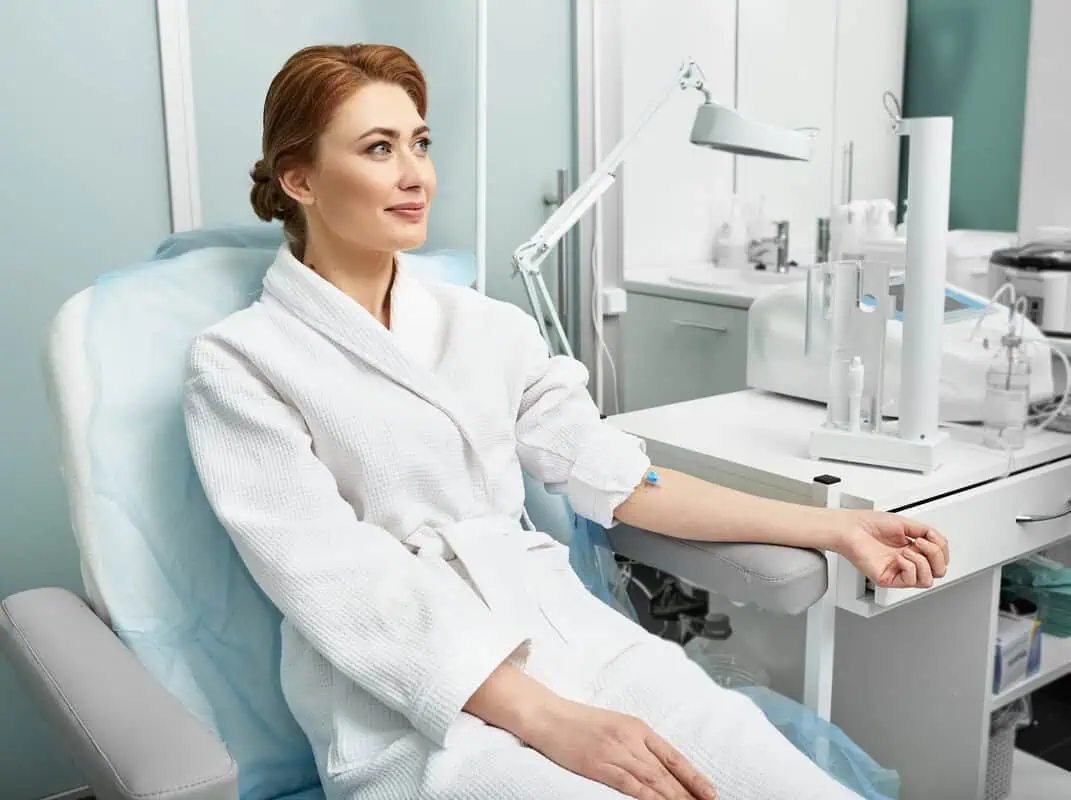
EBOO therapy stands for Extracorporeal Blood Oxygenation and Ozonation. During a session, blood is drawn through a closed-loop system, exposed to medical-grade ozone, enriched with oxygen, passed through a filter, and returned to the body. The process takes roughly 60 to 90 minutes and is designed to work alongside the body’s existing detoxification pathways rather than replace them.
The body handles an enormous amount of filtration on its own. The liver processes toxins. The kidneys flush waste. The lymphatic system sweeps up cellular debris. But these systems have limits, and in today’s environment, those limits get tested regularly. Pesticide residues, heavy metals, mold byproducts, and the remnants of chronic infection can accumulate faster than the body can clear them. That is the gap ozone therapy is often called upon to address.
Now, regarding the toxins that EBOO therapy removes, see them below.
Heavy Metals
Mercury, lead, cadmium, and arsenic enter the body through contaminated water, certain foods, aging infrastructure, and occupational exposure. Once absorbed, they tend to bind to proteins and accumulate in soft tissue, where they can interfere with enzyme activity and neurological function over time.
EBOO therapy does not chelate metals the way pharmaceutical agents do. It supports the liver and kidneys by improving oxygen delivery to those organs, which aids in the natural mobilization and excretion of metal compounds. Practitioners often incorporate EBOO into a broader heavy metal protocol for this reason.
Mycotoxins
Mycotoxins are byproducts of mold growth. Exposure commonly comes through water-damaged buildings, poorly stored grains, coffee, dried fruits, and certain nuts. These fat-soluble compounds are slow to clear through conventional detox channels and are linked in functional medicine literature to fatigue, cognitive difficulty, and immune disruption.
Ozone has demonstrated antifungal properties in research settings, and this detox treatment is frequently incorporated into mold illness recovery protocols. It is typically used alongside dietary changes and binders rather than as a standalone measure.
Bacterial Toxins
Bacteria produce two categories of toxic compounds: endotoxins, released when bacterial cell walls break down, and exotoxins, secreted by living bacteria as part of their metabolic activity. At chronically low levels, these compounds contribute to systemic inflammation that underlies many persistent health complaints.
The antimicrobial properties of ozone are among its most studied characteristics. By disrupting bacterial membranes, ozonated blood re-entering circulation carries less of this toxic load, which can ease the ongoing immune burden.
Viral Particles and Residual Debris
Ozone is virucidal under controlled conditions, damaging the protein coats of viruses and reducing their ability to persist. This makes EBOO therapy relevant for patients dealing with latent or reactivated infections such as Epstein-Barr virus and cytomegalovirus, both associated with prolonged fatigue and immune suppression.
The immune system often continues reacting to viral debris long after an infection has resolved. Fragments of viral proteins can circulate and sustain low-level inflammation for months. Improved oxygen delivery and immune activation through EBOO may support the clearance of some of this residual material.
Lipid Peroxides
When fats are damaged by free radicals, they form compounds called lipid peroxides. These oxidized molecules are implicated in arterial plaque formation, accelerated cellular aging, and chronic inflammation. They accumulate as a result of oxidative stress from poor diet, environmental pollution, and ongoing illness.
The calibrated oxidative signal that ozone creates in the bloodstream prompts the body to upregulate its own antioxidant defenses, including glutathione and superoxide dismutase. This response helps the body flag and clear damaged lipid compounds rather than allowing them to build up further.
Petrochemicals and Synthetic Compounds
Plasticizers, pesticide residues, herbicides, and industrial solvents represent a class of toxins most people carry in measurable amounts. These fat-soluble compounds enter through food, air, water, and skin contact. Plus, they tend to concentrate in fatty tissue, where they can quietly interfere with hormone signaling and immune function for years.
Clearing them depends on the liver’s phase I and phase II detoxification pathways, which convert fat-soluble compounds into water-soluble ones for excretion. EBOO therapy supports this process by improving blood oxygenation and microcirculation, giving these pathways better conditions to function.
Cellular Waste and Inflammatory Byproducts
The body generates internal waste continuously: dead cells, spent inflammatory proteins, fibrin deposits, and metabolic byproducts all require processing and removal. When the toxic load is high or the circulation is sluggish, this waste accumulates and strains downstream clearance systems.
EBOO addresses this on two levels. The physical filtration component captures particulate matter from the blood during the session itself. Improved blood viscosity and flow following treatment allow the lymphatic system to work more effectively in the days after.
Who Considers EBOO Therapy?
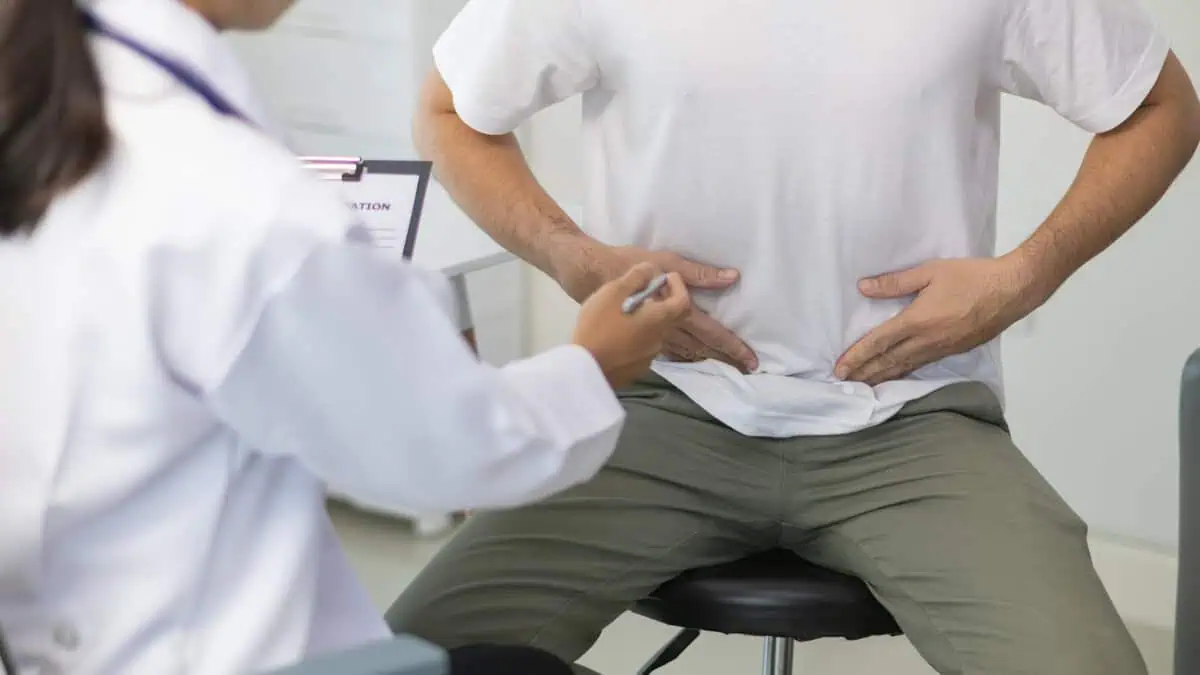
This wellness therapy is most commonly sought by individuals working with integrative or functional medicine practitioners. Common reasons include chronic fatigue, post-viral recovery, mold and mycotoxin illness, Lyme disease and co-infections, and autoimmune conditions with high inflammatory burden.
EBOO is not appropriate for everyone. It is generally contraindicated for individuals with certain clotting disorders, G6PD enzyme deficiency, active hyperthyroidism, or those who are pregnant. A qualified practitioner should conduct a thorough intake assessment before recommending it.
What to Expect During and After a Session
A typical EBOO session lasts 60 to 90 minutes. Two IVs are placed, one to draw blood and one to return it. The patient rests while the processes the blood. Most people find the experience comfortable and uneventful.
In the days following treatment, some individuals notice mild fatigue, headache, or flu-like symptoms. This is generally considered a sign of active detoxification and is worth discussing with your provider. Many people report improved energy and mental clarity after a series of sessions, though results vary and EBOO works best as part of a broader health strategy.
Enhanced Wellness EBOO Therapy Albuquerque
For those in New Mexico exploring this approach, Enhanced Wellness in Albuquerque offers EBOO Therapy Albuquerque as part of a personalized, science-driven care model. The practice combines advanced medical therapies with holistic lifestyle support, designed to meet men, women, and seniors at every stage of life.
Treatment conducted by our team begins with a detailed intake assessment to determine fit and build an individualized protocol. The aim is not just to administer a session but to give each patient the clinical context and ongoing support to make the most of their ozone therapy experience.