 Skip to content

Apex Acoustic Wave Therapy (AWT)
Non-Invasive Support for Blood Flow and Sexual Function
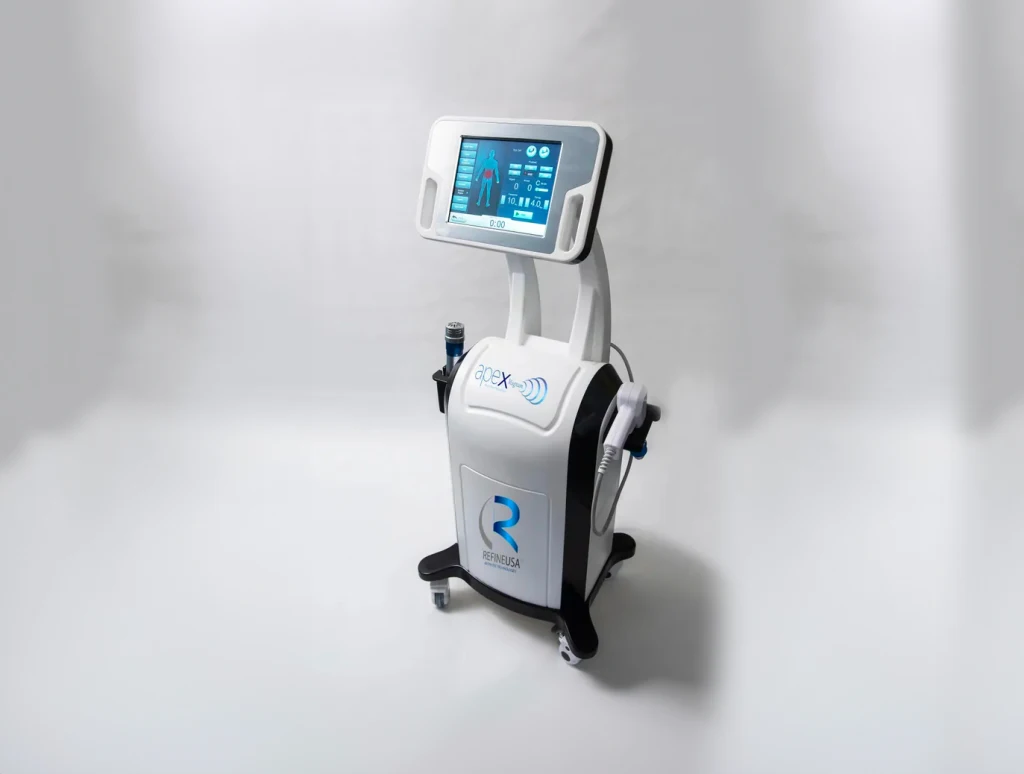
The Apex Magnum delivers acoustic wave therapy (AWT) using dual electromagnetic and pneumatic technology to break up plaque in existing blood vessels and stimulate the formation of new ones, a process called angiogenesis, restoring blood flow in areas where circulation has declined. Dr. Jay uses AWT as a non-invasive, non-surgical option for men and women experiencing sexual dysfunction, as well as for select musculoskeletal conditions, incorporating it into an individualized treatment plan rather than a standalone quick fix.
What Is Acoustic Wave Therapy?
Acoustic wave therapy, sometimes called shockwave therapy, delivers low-intensity sound waves to targeted tissue to rehabilitate existing blood vessels and stimulate new vessel growth. This process supports vasodilation and lymphatic drainage in the treated area, restoring microcirculation and improving oxygen-carrying capacity to support the body’s own vascular repair process rather than masking symptoms with medication.
What Are the Benefits of Acoustic Wave Therapy?
- Supports ED treatment through improved blood flow and new vessel formation
- Offers a non-invasive option for Peyronie's disease, with studies reporting improvement in penile curvature and plaque hardness in appropriately selected patients
- Supports female sexual dysfunction symptoms, including increased lubrication and sensitivity
- Improves microcirculation, which supports cellular metabolism and tissue health in the treated area
- Provides an ED shockwave therapy option for patients who want to avoid medication or surgery
- May support collagen remodeling in cellulite-affected skin, in addition to addressing select musculoskeletal conditions
Who Is This Treatment For?
Men managing erectile dysfunction who want a non-surgical ED treatment option
Men with Peyronie's disease seeking a non-invasive approach
Women experiencing sexual dysfunction related to blood flow, lubrication, or sensitivity
Patients with musculoskeletal conditions like tendonitis or plantar fasciitis that haven't responded to conservative care
Those who want an erectile dysfunction treatment that addresses vascular health directly
Evaluation
Your provider reviews your health history and symptoms to confirm AWT is appropriate for your presentation and to rule out contraindications.
Session
Sound waves are delivered to the targeted area in a series of short sessions, typically 15 to 20 minutes each, with no anesthesia required.
Treatment Course
Most protocols involve 6 to 12 sessions, with your provider adjusting the frequency based on your response.
Follow-Up
Your provider monitors your progress throughout treatment and adjusts your plan as needed.
Why Choose Enhanced Wellness NM for Acoustic Wave Therapy?
Physician-Led Protocols
Dr. Jay draws on more than 25 years of clinical experience to determine whether AWT fits your individual presentation.
Root-Cause Approach
AWT addresses the vascular mechanisms behind sexual dysfunction rather than only managing symptoms.
Distinct From Other Regenerative Therapies
AWT is clearly differentiated from PRP and other regenerative options in your care plan, and may be combined with them when appropriate.
Coordinated Care
AWT is integrated with any hormonal or functional medicine findings relevant to your presentation.
Frequently Asked Questions
Who benefits from acoustic wave therapy?
Most treatment courses involve six to twelve sessions. Your provider outlines a specific plan based on your presentation during your evaluation.
How does acoustic wave therapy work?
Sound waves break up plaque in existing blood vessels and stimulate new vessel formation, restoring blood flow and microcirculation in the treated area.
What does a session feel like?
Sessions are non-invasive and generally pain-free, typically lasting 15 to 20 minutes with no anesthesia required.
How many sessions are needed?
Most treatment courses involve six to twelve sessions. Your provider outlines a specific plan based on your presentation during your evaluation.
Are there contraindications for acoustic wave therapy?
Certain health conditions may require modification of this therapy. Your provider reviews your full health history before recommending a protocol.
How much does acoustic wave therapy cost?
Cost depends on your protocol and whether it’s part of a broader treatment plan. Your provider can review pricing during your consultation.
Restore Blood Flow, Non-Surgically
If medication or surgery isn’t the direction you want to go, acoustic wave therapy addresses the vascular root of the problem directly. Request a consultation at Enhanced Wellness NM today.
This form is not monitored for medical emergencies. If you are experiencing a medical emergency, call 911. A member of our team will follow up with you within one business day of your request.
Contact Us
Use the form below to request an appointment with our team. Once your request is submitted, we’ll review your information and contact you to confirm your appointment date and time. You will receive a confirmation by phone or email once your appointment has been scheduled.
Important Notice: Contact and appointment request forms are not monitored for medical emergencies. If you are experiencing a medical emergency, please call 911 or go to your nearest emergency room immediately.
Have questions or are you ready to get started?
Call us at (505) 323 – 8100 to schedule your consultation. Our team will review your history, current concerns, and available options so you can make an informed decision about where to begin.