 Skip to content

PRP Therapy
Regenerative Injections Using Your Body's Own Healing Factors
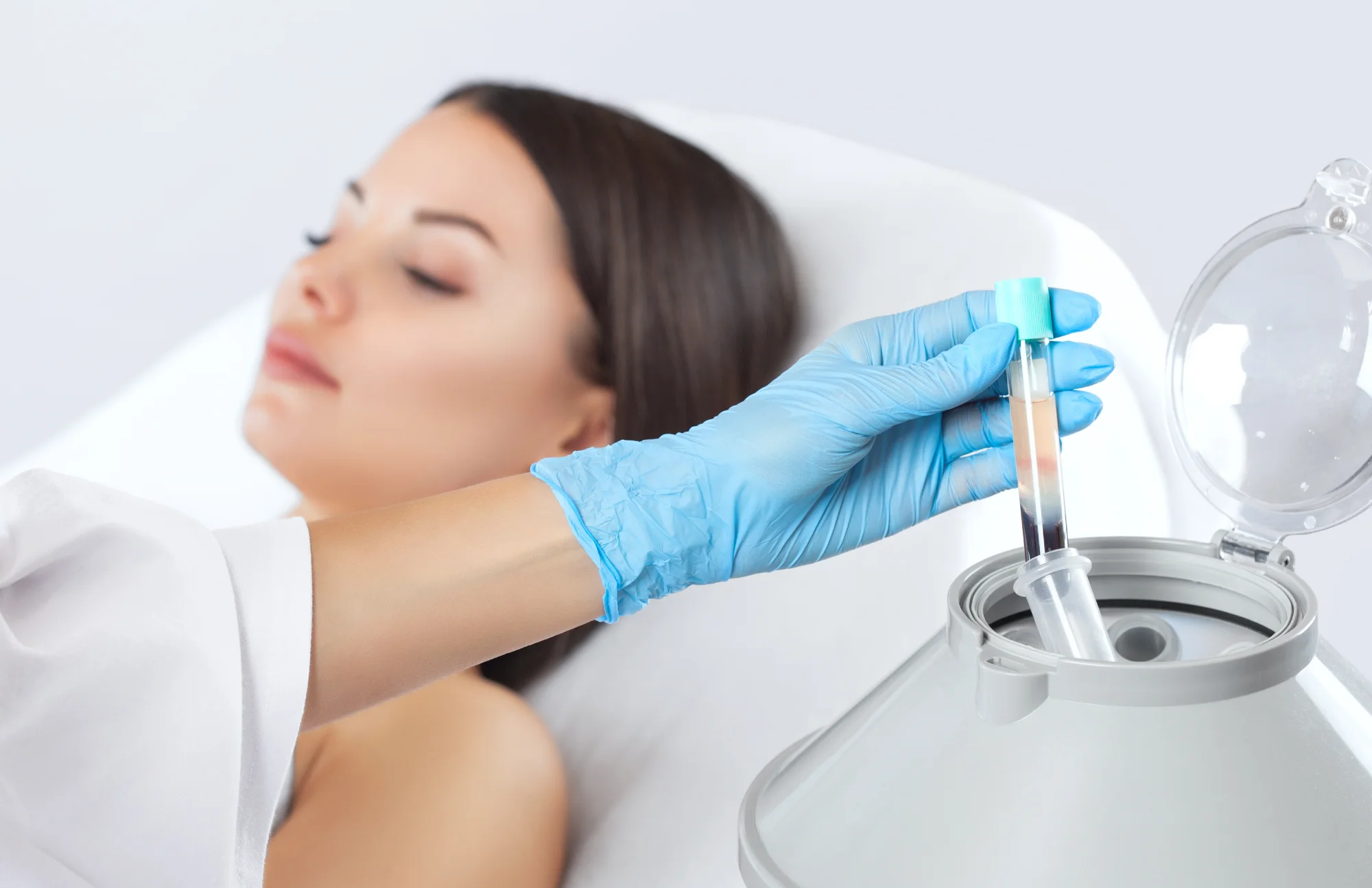
Regenerative medicine is a rapidly evolving field focused on repairing or regenerating human tissue to restore normal function, addressing the root cause of a condition rather than just managing symptoms. Platelet-rich plasma (PRP) therapy is one such approach: it uses growth factors concentrated from your own blood to stimulate the body’s natural healing process, accelerating tissue repair with less pain than conventional approaches. Dr. Jay uses PRP therapy as part of an individualized regenerative medicine plan, most often for joint injury, tendon damage, hair loss, and skin rejuvenation, addressing the underlying tissue damage rather than only managing symptoms.
What Is PRP Therapy?
PRP injections concentrate the platelets and growth factors already present in your blood into a solution far more potent than whole blood, then reintroduce that solution into the injured or aging tissue to stimulate cell growth, collagen production, and repair. In the early 2000s, PRP’s use expanded into orthopedics to support bone graft healing and fracture repair, and its continued success led to broader adoption in sports medicine for connective tissue repair. Since PRP uses your body’s own healing potential, effectiveness depends in part on your overall health at the time of treatment.
What Are the Benefits of PRP Therapy?
- Helps relieve joint pain associated with osteoarthritis, joint injury, and torn ligaments
- Stimulates hair growth by activating growth factors at the follicle level
- Offers a regenerative medicine treatment option for tendonitis and connective tissue repair
- Optimizes platelet yield with the PureSpin system: 91% recovery at 6 to 11 times baseline concentration
- Supports circulation and cellular energy at the site of injury, accelerating the tissue's own repair response
- Reduces contamination risk through a self-sealing valve port and chamber aspirating disc, rather than standard test tubes
Who Is This Treatment For?
Patients with osteoarthritis, joint injury, or torn ligaments seeking PRP injections
Evaluation
Dr. Jay reviews your health history and the specific area of concern to confirm PRP therapy is an appropriate option for your presentation.
Blood Draw and Processing
A small amount of blood is drawn from your arm and processed through two centrifuge spins using the PureSpin system, first separating blood components, then concentrating the platelets and plasma into PRP.
Injection or Application
The concentrated PRP is injected into or applied to the treatment area, delivering growth factors directly to the tissue that needs to heal.
Follow-Up
Your provider monitors your progress and determines whether additional sessions are needed based on your response.
Why Choose Enhanced Wellness NM for PRP Therapy?
Evaluated Within a Functional and Regenerative Medicine Framework
Dr. Jay draws on more than 25 years of clinical experience to determine whether PRP fits your specific presentation, whether joint, hair, or skin-related.
Advanced Processing Technology
The PureSpin system’s self-sealing design eliminates the contamination risk associated with standard test tubes, supporting consistent platelet yield.
Distinct From Other Regenerative Therapies
PRP is clearly differentiated from Prolozone® therapy and biological allografts in your care plan, and may be combined with them when appropriate.
Integrated With Your Broader Plan
PRP therapy is coordinated with your hormone balance and other functional medicine findings relevant to your healing capacity.
Frequently Asked Questions
Who benefits from PRP therapy?
Patients with joint injury, osteoarthritis, torn ligaments, tendonitis, hair loss, or skin concerns may benefit. A consultation confirms candidacy for your specific presentation.
How does PRP therapy work?
Your own blood is processed to concentrate platelets and growth factors, which are then injected or applied to the treatment area to stimulate cell growth, collagen production, and tissue repair.
What does a session feel like?
The blood draw feels like a standard blood test. The injection itself varies by treatment area; your provider will walk you through what to expect for your specific protocol.
How many sessions are needed?
Session count depends on the condition being treated and your individual response. Your provider outlines a specific plan based on your presentation during your evaluation.
Are there contraindications for PRP therapy?
How much does PRP therapy cost?
Heal With What Your Body Already Has
Your blood already contains the growth factors your tissue needs to repair itself. Request a PRP therapy consultation at Enhanced Wellness NM today.
This form is not monitored for medical emergencies. If you are experiencing a medical emergency, call 911. A member of our team will follow up with you within one business day of your request.
Contact Us
Use the form below to request an appointment with our team. Once your request is submitted, we’ll review your information and contact you to confirm your appointment date and time. You will receive a confirmation by phone or email once your appointment has been scheduled.
Important Notice: Contact and appointment request forms are not monitored for medical emergencies. If you are experiencing a medical emergency, please call 911 or go to your nearest emergency room immediately.
Have questions or are you ready to get started?
Call us at (505) 323 – 8100 to schedule your consultation. Our team will review your history, current concerns, and available options so you can make an informed decision about where to begin.